

Moving to a new location is part of the life I signed up for when I married my husband in the Army. Each relocation brings its own set of challenges. I try to stay positive by looking at them as opportunities for new experiences and growth. It’s all about the story we tell ourselves, are we a victim of circumstances or someone who embraces the one constant in our world – change? Whenever we moved I would find myself staring at bare walls, boxes and the daunting task of turning this house into a place we could call home. Here are some of my thoughts on how to feel comfortable in your new space ASAP.
Embracing the Change
As soon as I step in that new doorway I will feel the usual wave of emotions hit me – excitement for new adventures mixed with overwhelming anxiety about the unknown. How is this going to go, where do I get started? I will make the conscious decision to treat this move as a fresh start. My first step was to embrace the change rather than resist it, this means cleaning out the junk that I have collected and get organized.
For anyone finding themselves in a similar situation, I recommend taking some time to explore your new area. Visit local parks, shops and community centers. Get to know your area, the neighborhood and the people. Simple things like taking walks around the neighborhood helped me to familiarize myself.
Starting with a Vision
In our previous home, I had crafted a space that represented our family’s personality. I wanted to replicate that feeling in our new house. I started thinking what did I want to include to make our new place feel uniquely ours?
I started with a caulk board for brainstorming, not just for aesthetics but also to nail down a mix of comfort and practicality. Colors, furniture, layouts whatever gave me some inspiration. Having visual references gave me a ton of ideas.
DIY Projects for the Family
One of the best parts of settling in was involving my children in the remodeling process. We turned chores into fun family projects and tried to give them some autonomy over their own spaces. They were just as eager to contribute to our new home and it helped them have some sense of ownership and comfort. Whether it was painting a room or picking out new curtains, it helped make things feel like their own.
Prioritizing Comfort
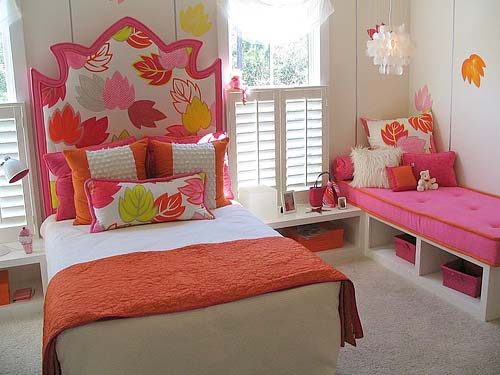
I wanted our house to feel cozy, a relaxing space to come back to after a long day. I focused on a few core areas mainly the living room and bedrooms. All the places where we spend the most time.
Comfort starts with furniture. A big customizable couch was the centerpiece of the living room, we wanted enough space for everyone to be comfortable together. Layering soft blankets and pillows created an inviting atmosphere, making the living room a comfy, versatile place for sharing.
Infusing Personal Touches
To give our home a personal touch we setup a whole wall featuring family photos from special moments, travels and family holidays. This transformed a bare wall into something that was uniquely us!
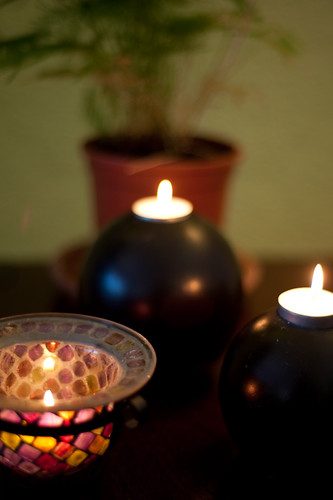
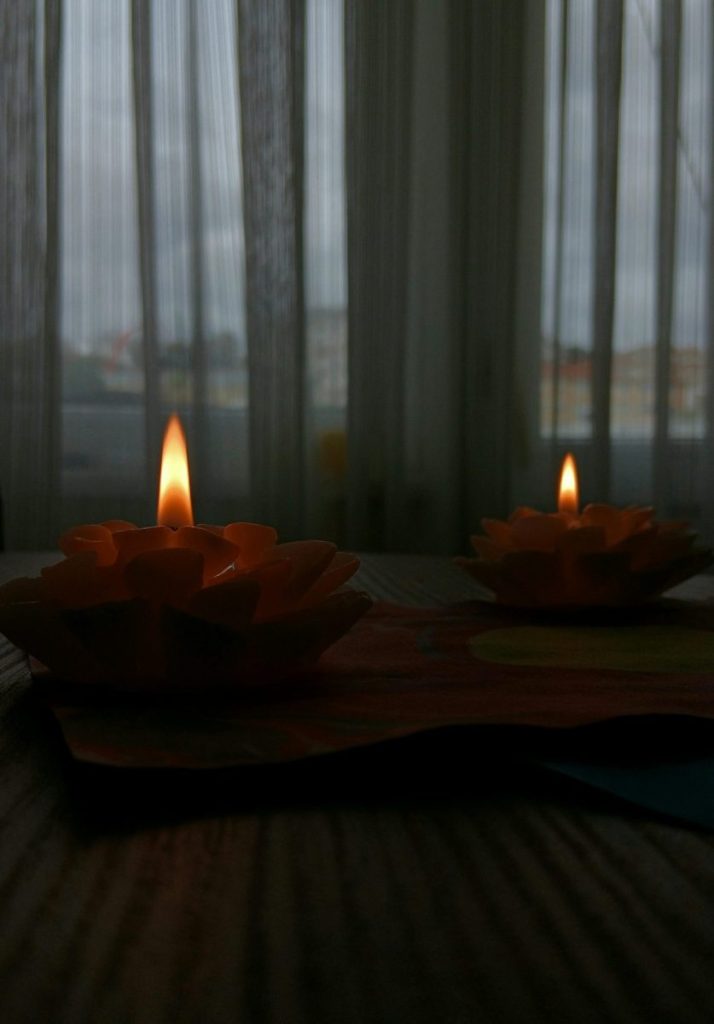
Adding little touches also made a big difference. I began using scented candles, a technique that always made my previous homes feel homey. I opted for lavender and vanilla scents, it seriously just make home a nice place to be, especially during stressful moments of deployment. Small changes like this can create a big impact, try and find the details that help you to feel at ease.
Building Community Connections
Moving away from old friends often feels isolating. To combat loneliness, I made an effort to reach out to locals. Joining community groups or attending events was great for meeting different people in the area. I found several local groups for military spouses. I always recommend it can sometimes be a little hard to break in but once you do you have a set of people that truly understand.
One member of my group hosted a home decor swap. I went in cautiously, unsure of what to expect and slightly anxious about meeting new people. For me it was less about the items exchanged and more about forming friendships. We shared project ideas, exchanged tips and I even met a someone who worked with GBR, a local remodeler who gave us a free toilet to replace the one in our basement that barely worked.
Letting Go of Perfectionism
One of the best things I did for myself and my family was learning to let go of perfectionism. My desire to create the perfect home often clashed with the chaotic nature of military life. Sometimes boxes stayed unpacked and projects took longer than I wanted. Embracing the reality of that chaos allowed me to not get so stressed and be able to be there for my family.
Being human means that things aren’t always going to be perfect. Making peace with change helps keep me focused on whats really important, not what is on the walls or in the living room.