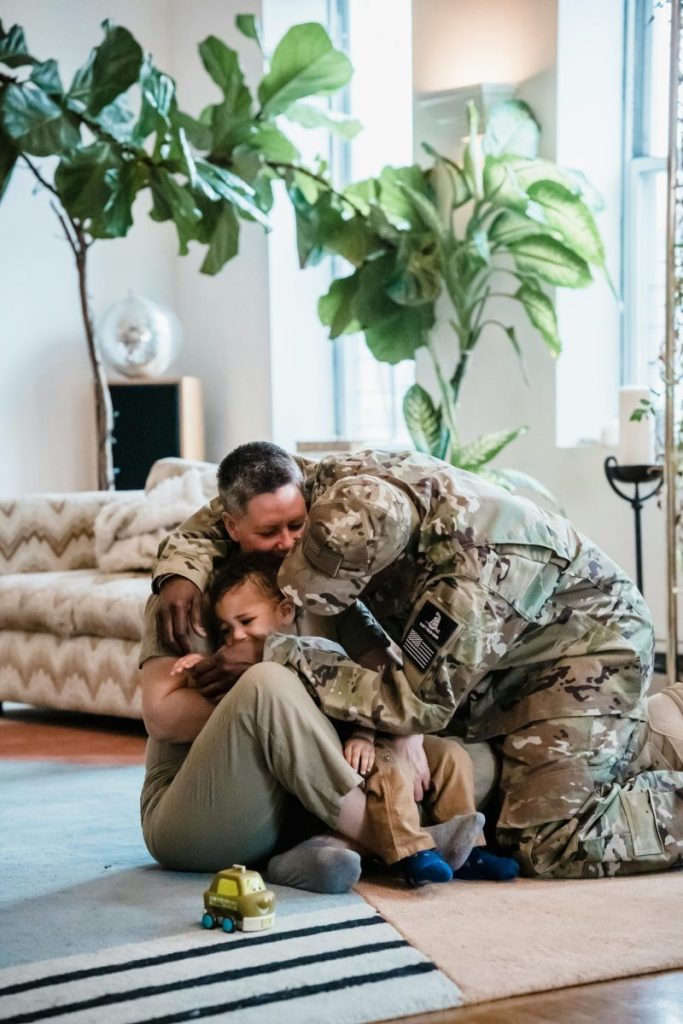


A soldier in uniform warmly embraces their family in a joyful homecoming moment.

Families Fight Together

Service – Sacrifice – Support


Resources and Information for Military Families

Soldiers conduct a dramatic helicopter rescue holding the American flag against a cloudy sky.

Deployment Support

Help for maintaining communication and connection

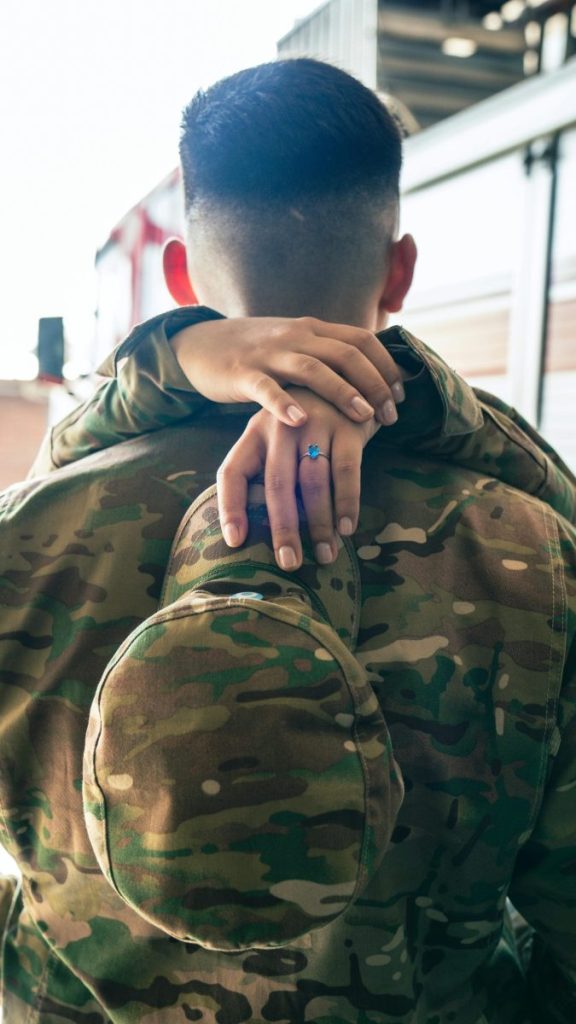
A touching moment of a soldier embraced by a loved one, highlighting reunion and emotion.

Community and Social Support

Every Army wife knows a strong support network is crucial

people, woman, kid, child, baby, boy, girl, daughter, mother, nature, holding hands, lake, water, happy mothers day, swimming, boat, mom, mum

Health and Wellness

From fitness tips to stress management techniques

Latest news

  • Staying Emotionally Connected During Deployment

    Deployment changes the rhythm of a relationship in ways that are hard to explain to people outside military life. You can love each other deeply and still feel disconnected at times. You can be proud of your spouse and still feel frustrated, lonely, and emotionally drained.

    That is why staying connected deployment season after deployment season takes intention. Connection does not just happen because you care. It grows when both people make space for it, even in small ways.

    The good news is that emotional closeness is still possible, even when distance, schedules, and stress make everything harder.

    Accept That Communication May Not Feel Normal

    One of the first things military spouses learn is that deployment communication can be unpredictable. Some days there are texts. Some days there is silence. Calls may be short, delayed, or canceled without warning.

    That unpredictability can make emotions feel all over the place.

    It helps to stop measuring connection only by how often you hear from each other. Frequency matters, but consistency is not always within your control. Emotional connection often depends more on quality than quantity.

    A short, honest message can feel more grounding than a long conversation filled with distractions. When you adjust your expectations, you protect yourself from unnecessary disappointment and give the relationship more room to breathe.

    Focus on Meaningful Communication

    When time is limited, it is easy to fill conversations with updates and logistics. You talk about schedules, bills, kids, or what needs to be handled next. Those things matter, but they should not be the only things you share.

    Real connection comes from letting each other into your inner world too.

    Talk about what made you laugh. Talk about what felt hard. Share a memory, a hope, or even a random thought from the day. Those little things help preserve closeness. They remind both of you that the relationship is still alive, not just functioning.

    Strong deployment communication is not about saying something impressive. It is about staying emotionally visible to each other.

    staying connected deployment
    staying connected deployment

    Create Small Rituals That Feel Familiar

    Rituals help relationships stay grounded, especially when daily life feels uncertain. During deployment, simple habits can create a surprising amount of comfort.

    Maybe you send a good morning text whenever possible. Maybe you always share one high and one low from the day. Maybe you pray at the same time each night. Maybe you save voice notes for days when a live call is not possible.

    These routines give your relationship something steady to hold onto. They also make military long distance feel a little less random and a little more connected.

    The ritual itself does not need to be big. It just needs to feel personal and repeatable.

    Give Grace When Stress Shows Up

    Deployment puts pressure on both people. Even when love is strong, stress can make communication feel flat, tense, or emotionally distant. One person may be exhausted. The other may be overwhelmed. Sometimes a missed message hurts more than it should because there is already so much emotion under the surface.

    This is where grace matters.

    Not every awkward conversation means the relationship is struggling. Not every quiet day means something is wrong. Sometimes people are just tired, distracted, or carrying more than they know how to say.

    Healthy relationship support during deployment includes learning how to pause before assuming the worst. Grace creates space for the relationship to stay steady even when communication is not perfect.

    Stay Present in Your Own Life Too

    One of the hardest parts of deployment is the temptation to emotionally live in the waiting. You keep checking your phone, replaying conversations, and measuring the day by whether communication happened.

    That is understandable, but it can leave you feeling emotionally stuck.

    The healthiest relationships during deployment are often supported by two people who are still living fully where they are. Keep your routines. Take care of your responsibilities. See friends. Get outside. Make room for joy without guilt.

    This does not mean you miss your spouse less. It means you are building emotional stability instead of placing your entire peace on one text or phone call.

    That kind of balance makes staying connected deployment season after season much more sustainable.

    Be Honest About What You Need

    Sometimes spouses try so hard to be low maintenance during deployment that they stop expressing real needs. They do not want to add stress, so they say less, hide more, and quietly carry disappointment.

    That approach usually creates more distance, not less.

    It is okay to say you miss them. It is okay to say a certain kind of communication helps you feel connected. It is okay to be honest about what has been hard. Vulnerability is not weakness. It is part of intimacy.

    When both people feel safe being real, connection deepens even across distance.

    Final Thoughts

    Staying connected deployment season is not about creating a perfect long-distance relationship. It is about protecting the bond you already have while life feels stretched and uncertain.

    Small habits matter. Honest words matter. Grace matters. So does continuing to build a life at home that keeps you emotionally steady.

    Deployment may create physical distance, but it does not have to create emotional distance. With care, patience, and meaningful deployment communication, your relationship can stay strong through the separation.

    Connection may look different during this season, but it can still be real, warm, and deeply felt.

    Also Read: PCS Moves Made Easy: The No-Stress Checklist

  • Military Wife Financial Planning That Actually Works

    Money stress can weigh heavily on any household, but military families often face unique financial challenges. There can be changes in duty stations, shifting expenses, deployment-related adjustments, childcare costs, travel, and the pressure of making one income stretch further than expected.

    That is why military family budgeting needs to be practical, flexible, and realistic. A budget should not feel like punishment. It should feel like a tool that helps your family breathe a little easier.

    Good financial planning does not require perfection. It requires consistency, awareness, and systems that work in real life.

    Start With What Is Actually Coming In

    A lot of budgets fail because people start with what they hope to do instead of what their numbers actually look like. The first step is to get clear on income.

    Write down what comes in each month and what changes from season to season. If your income shifts with circumstances, build your plan around the most dependable baseline instead of the highest possible month.

    This is where smart army pay tips can help. It is easier to make good financial decisions when you know exactly what your household can count on.

    Clarity removes guesswork, and guesswork is one of the biggest reasons money feels stressful.

    Know Where the Money Is Going

    Before trying to fix your budget, look at your actual spending. Many families are surprised when they finally see where the money goes each month.

    Small purchases add up. Convenience spending adds up. Subscription charges add up. Random extras during stressful weeks add up fast too.

    Tracking expenses is not about guilt. It is about awareness. Once you understand your patterns, you can make better choices without feeling like you are constantly failing.

    Strong spouse finances start with honesty, not shame. You cannot adjust what you do not see clearly.

    Build a Budget Around Real Life

    A budget only works if it fits the way your family actually lives. If it is too strict, too complicated, or based on unrealistic habits, it will fall apart the moment life gets busy.

    Leave space for groceries, household needs, gas, school costs, and real-life surprises. Build in fun money too, even if it is modest. A budget that allows no breathing room often creates frustration and overspending later.

    The best budgeting strategies are the ones you can follow month after month, even during stressful seasons.

    Simple usually works better than impressive.

    Create a Buffer for Military Life Surprises

    Military life comes with enough unpredictability that every family benefits from some form of emergency cushion. Even a small buffer can make a stressful situation feel less overwhelming.

    You may face travel expenses, unexpected home costs, car repairs, or expenses connected to a move or family need. When there is no margin in the budget, every surprise feels bigger.

    Building military savings takes time, but consistency matters more than speed. Even small amounts set aside regularly can create meaningful stability over time.

    A savings buffer is not just about money. It is about peace of mind.

    Give Every Dollar a Job

    One of the most useful financial habits is deciding ahead of time what your money is meant to do. When income comes in without a clear plan, it tends to disappear into whatever feels urgent at the moment.

    That is why intentional budgeting works so well. Cover bills first. Set aside savings. Plan for food, transportation, and recurring needs. Then decide what is left for extras.

    When every dollar has a purpose, you feel more in control. You also reduce the stress of wondering where the month went.

    This kind of structure makes military family budgeting less reactive and much more steady.

    Talk About Money Without Turning It Into Conflict

    Financial planning can get tense, especially when one spouse feels pressure to stretch every dollar while the other is focused on different priorities. Military life can add even more strain when schedules are busy or communication is limited.

    That is why regular money conversations matter.

    Do not wait for a problem to force the conversation. Set aside time to talk about goals, spending, upcoming needs, and what feels hard right now. Keep the tone calm and practical.

    Good financial habits grow faster when both spouses feel informed and respected. Even short check-ins can reduce misunderstandings and help you work like a team.

    Focus on Progress, Not Perfection

    There may be months where everything goes according to plan. There will also be months where the budget gets stretched, something unexpected happens, or your spending is not as disciplined as you hoped.

    That does not mean the whole plan failed.

    Financial growth is built through repetition. The goal is not to get every month exactly right. The goal is to keep learning, adjusting, and improving over time.

    Some of the strongest budgeting strategies are simple habits repeated over and over again. Review your numbers. Adjust where needed. Keep moving forward.

    That is how lasting financial confidence is built.

    Final Thoughts

    Healthy military family budgeting is not about extreme restriction. It is about creating stability in a lifestyle that can feel unpredictable.

    When you understand your income, track spending, build military savings, and use realistic systems, money starts to feel less overwhelming. You may still have challenging months, but you will face them with more clarity and less panic.

    A solid financial plan gives your family something valuable beyond numbers.

    It gives you peace.

  • PCS Moves Made Easy: The No-Stress Checklist

    No matter how many times a military family moves, PCS season can still feel overwhelming. There is always a long list of things to handle, emotions running high, and the pressure of trying to keep everything on track while life keeps moving.

    That is why having solid PCS move tips military spouse families can actually use makes such a big difference. A move will probably never feel completely stress free, but it can feel far more manageable when you approach it with a clear plan.

    The goal is not perfection. The goal is to make the process smoother, calmer, and less draining for everyone involved.

    Start Planning Earlier Than You Think You Need To

    One of the hardest parts of a PCS is how quickly it can go from “we have time” to “why is this happening so fast?” Even when you know a move is coming, the timeline can still feel tight once paperwork, housing, packing, and family needs all start piling up.

    That is why early preparation matters so much.

    As soon as you know a move is likely, start a running list. Write down deadlines, appointments, questions, and reminders in one place. It does not need to be fancy. It just needs to be reliable.

    When you start early, you give yourself room to think clearly instead of reacting to everything at the last minute. That alone can cut a huge amount of stress from the process.

    Keep a Simple Moving Binder or Digital Folder

    PCS moves come with a surprising amount of information. Orders, school records, housing details, receipts, contact numbers, and schedules can quickly get scattered if you are not careful.

    A basic military relocation checklist becomes much easier to manage when everything is stored in one place. Some spouses like a binder. Others prefer a digital folder with notes and scanned documents. Either option works.

    The important thing is that you are not digging through texts, emails, and random papers every time you need something.

    A simple system saves time and helps you feel more in control when the move starts getting hectic.

    Break the Move Into Small Categories

    A PCS feels stressful partly because it shows up as one giant task in your mind. Instead of looking at it like one huge event, divide it into smaller categories.

    Think in terms of housing, paperwork, school, medical needs, packing, travel, and settling in. Once you split the move up this way, it becomes easier to focus on one area at a time.

    That is where real PCS planning starts to feel possible.

    You do not need to solve everything in one day. You just need to keep making progress in the category that matters most right now. Small wins build momentum, and momentum helps reduce anxiety.

    PCS

    Declutter Before You Pack

    Every military spouse learns this at some point. Moving things you no longer need makes the whole process harder.

    Before packing gets serious, go room by room and be honest. If something is broken, unused, or not worth carrying into the next season of life, let it go. A PCS is one of the best opportunities to simplify your home.

    Decluttering makes packing easier, unpacking faster, and your new space less chaotic from the start.

    This step may not sound exciting, but it is one of the most useful army relocation tips because it reduces both physical and mental clutter.

    Make the First Week at the New Place Easier

    Many people focus all their energy on leaving well and forget to prepare for arrival. The truth is, the first week in a new place often feels the most disorienting.

    Pack with that in mind.

    Set aside essentials you will want right away. Keep medications, chargers, important paperwork, snacks, a few kitchen basics, and daily items easy to access. If you have children, keep comfort items close too.

    The easier you make that first week, the smoother your transition will feel. Good planning is not only about getting there. It is about being able to function once you arrive.

    That is especially important when moving with military life already comes with so much uncertainty.

    Expect Some Emotional Stress Too

    A PCS is not just logistics. It is emotional. Even positive moves can bring sadness, anxiety, and exhaustion. You may be leaving friends, routines, schools, favorite places, and a version of life that finally started to feel familiar.

    Give yourself permission to feel that.

    Not every part of military life needs to be handled with a brave face all the time. Acknowledging the emotional weight of a move can actually make you more resilient through it. Talk about it. Pray through it. Let your kids talk about it too.

    A healthier move happens when you care for the emotional side as much as the practical one.

    Focus on the First Few Priorities After Arrival

    Once you arrive, resist the urge to do everything immediately. Start with the basics. Get the beds ready. Set up the kitchen enough to function. Learn the area one piece at a time. Find the grocery store, school route, and nearest essentials.

    You do not need to create a perfect home in two days.

    The best PCS move tips military spouse families can follow are often the simplest ones. Slow down. Prioritize function over perfection. Let the new place come together gradually.

    That approach protects your energy and helps your family adjust with less pressure.

    Final Thoughts

    A PCS can still be tiring, emotional, and messy, even when you prepare well. That does not mean you are doing it wrong. It just means military moves ask a lot from families.

    The right system helps. A practical military relocation checklist, steady PCS planning, and realistic expectations can make a big difference from start to finish.

    You may not control every part of the move, but you can make it lighter, calmer, and more organized.

    That is often more than enough.

    Also Read: Surviving Deployment Without Burnout: Real Strategies

  • Surviving Deployment Without Burnout: Real Strategies

    Deployment can bring pride, purpose, and resilience, but it can also bring exhaustion. For many spouses, the hardest part is not just missing their partner. It is carrying the emotional and practical weight of everyday life while trying to stay steady for everyone else.

    If you are focused on surviving deployment as an army wife, you are probably doing more than most people can see. You are managing routines, handling responsibilities, keeping the home running, and trying not to fall apart in the quiet moments.

    That is a lot. Burnout during deployment is real, and it deserves to be taken seriously.

    Stop Expecting Yourself to Handle It Perfectly

    One of the fastest paths to burnout is the belief that you should be handling deployment better than you are. Many spouses put pressure on themselves to stay upbeat, organized, patient, and emotionally strong at all times.

    Real life does not work like that.

    There will be days when you feel capable and focused. There will also be days when everything feels heavier than usual. That does not mean you are weak. It means you are human.

    Some of the best deployment coping tips begin with lowering unrealistic expectations. You do not need to be perfect. You need to be supported, rested when possible, and honest about what this season is asking from you.

    Simplify Your Daily Life

    During deployment, the smallest decisions can feel exhausting because you are making all of them alone. That is why simplifying your routine matters so much.

    Pick repeat meals for busy weeks. Cut back on unnecessary commitments. Choose simple household systems that make life easier instead of trying to do everything at your usual standard. Let good enough be enough.

    Burnout often builds when every day feels like a long list of tasks with no room to breathe. Small simplifications create space. That space matters.

    When you reduce pressure in daily life, you protect your energy for the things that matter most.

    surviving deployment army wife
    surviving deployment army wife

    Build Emotional Checkpoints Into Your Week

    Many military spouses stay busy because it feels safer than slowing down. But unprocessed stress has a way of showing up later through irritability, exhaustion, tears, or emotional numbness.

    Create moments during the week where you check in with yourself honestly. Ask how you are doing, not just what still needs to get done. Pay attention to your mood, your sleep, your patience level, and your mental load.

    Managing military spouse stress is easier when you catch it early instead of waiting until you are completely depleted.

    Journaling helps some people. Others need prayer, a walk, therapy, or a conversation with a trusted friend. The method matters less than the habit of checking in before stress turns into burnout.

    Stay Connected in Ways That Feel Grounding

    Communication during deployment can be comforting, but it can also feel unpredictable. Schedules change. Calls get missed. Messages are delayed. That uncertainty can make emotions swing hard from one day to the next.

    It helps to build connection in multiple ways. Of course, stay in touch with your spouse when you can. But also stay connected to people and routines that keep you grounded here at home.

    That could mean weekly coffee with a friend, a regular gym class, family dinners, church, or a standing call with someone who understands military life. Good deployment support is not only about waiting for communication from your spouse. It is also about keeping your own life emotionally anchored.

    That balance can help you stay steadier when military schedules are out of your control.

    Protect Your Energy Without Feeling Guilty

    Not every invitation deserves a yes during deployment. Not every request needs your immediate attention. Not every expectation placed on you is reasonable.

    Learning to protect your energy is one of the most helpful army wife tips during this season. That may mean saying no to extra commitments. It may mean turning off your phone for an hour. It may mean choosing rest over productivity when your body is clearly asking for it.

    Rest is not laziness. It is maintenance.

    The stronger you become at noticing your limits, the better you can move through deployment without resenting every demand placed on you.

    Give Yourself Something to Look Forward To

    Deployment can feel endless when all your attention stays fixed on the distance. One of the healthiest ways to cope is to create small points of joy and anticipation along the way.

    Plan a weekend project. Start a new routine. Mark meaningful milestones. Create traditions for yourself or your children. These things do not erase the difficulty, but they do remind you that life is still happening now.

    You are not just waiting for deployment to end. You are still living.

    That shift in mindset can make the season feel more manageable and less emotionally draining.

    Final Thoughts

    Surviving deployment as an army wife is not about pretending you are unaffected. It is about learning how to carry this season in a way that does not crush you.

    The real goal is not flawless strength. It is sustainable strength.

    With the right rhythms, honest self-awareness, and steady deployment support, you can move through deployment with more peace and less burnout. One day at a time is enough. Sometimes one hour at a time is enough too.

    That still counts as strength.

    Also Read: Military Wife Financial Planning That Actually Works

  • How to Build a Strong Support System as a Military Spouse

    Military life can be rewarding, but it can also feel isolating in ways most people do not fully understand. Between deployments, training schedules, PCS moves, and long stretches of solo parenting, many spouses find themselves carrying a lot while trying to look strong on the outside.

    That is why building a military spouse support system is not optional. It is one of the most important things you can do for your emotional health, your family, and your ability to handle the ups and downs of this lifestyle.

    The good news is that support does not have to look perfect to be meaningful. It just needs to be real, dependable, and built in a way that works for your life.

    Start With One Safe Connection

    When people talk about building a support network, it can sound like you need a huge circle of friends overnight. You do not. In reality, most strong support systems begin with one trusted person.

    That might be another spouse at your duty station. It might be a neighbor who understands unpredictable schedules. It might even be a long-distance friend who always picks up the phone when you need to vent.

    The goal is not to impress anyone. The goal is to find someone safe. Someone you can text when the day gets heavy. Someone who understands that military life can change plans without warning.

    One steady relationship can make a huge difference, especially in seasons when everything else feels uncertain.

    Be Intentional About Community

    A lot of spouses assume community should happen naturally. Sometimes it does, but often it takes intention. Military life moves fast, and many people are juggling the same emotional load you are. That means connection often starts when one person chooses to reach out first.

    Try introducing yourself instead of waiting. Say yes to coffee. Join one local spouse group or online community. Attend one event, even if you feel awkward walking in. Building an army wife community is often less about instant chemistry and more about repeated small moments.

    Familiar faces become trusted people over time.

    You do not need to become best friends with everyone. You only need to keep showing up enough for relationships to grow naturally.

    Use the Resources Around You

    Many spouses wait until they are overwhelmed before looking for help. It is better to get familiar with support options before you hit a hard season.

    Every installation and community is different, but there are often spouse groups, family readiness resources, chaplain services, wellness programs, and informal networks that can make daily life easier. Online communities can help too, especially if you are new to an area or living far from base.

    Strong military family support includes both people and practical help. Sometimes support is emotional. Sometimes it is someone watching your kids for an hour. Sometimes it is finally learning where to go for answers instead of carrying the stress alone.

    The more you know what is available, the less alone you will feel when you actually need it.

    military spouse support system
    military spouse support system

    Let People Help in Specific Ways

    One reason many spouses struggle to receive support is because they do not want to feel like a burden. That feeling is common, but it can quietly make life harder than it needs to be.

    Instead of saying, “I’m fine,” try being specific. Ask if someone can sit with you during a rough week. Ask if they can recommend a local babysitter. Ask if they can check in during deployment. Ask if they want to swap school pickup once in a while.

    People usually want to help. They just do not always know how.

    Clear requests make spouse networking more meaningful because they turn casual relationships into real support. Over time, those practical exchanges build trust and connection.

    Stay Connected Even When Life Gets Busy

    Military life has a way of pushing relationships to the side. Everyone gets busy. Everyone gets tired. Everyone has seasons where they pull back.

    That is exactly why small habits matter. A quick text. A standing coffee date once a month. A voice note after a hard day. A reminder in your phone to check on a friend whose spouse is away.

    A strong support system is not built in one deep conversation. It is built through consistency.

    When you stay connected in simple ways, relationships stay warm even during stressful seasons. That matters more than grand gestures.

    Know That Support Changes With Each Season

    What you need during a first duty station may not be what you need during a deployment. What works when your children are small may not work later. Your support system should be allowed to grow and change with you.

    Some seasons require more emotional support. Others call for practical deployment support. Some seasons are about finding local friends. Others are about protecting your peace and keeping a smaller circle.

    There is no single right way to do this. The important thing is to keep building, keep reaching, and keep giving yourself permission to need people.

    Final Thoughts

    A healthy military spouse support system is not built in a day, and it does not need to be perfect to be powerful. It starts with honesty, grows through consistency, and becomes stronger every time you choose connection over isolation.

    Military life asks a lot from spouses. You do not have to carry all of it alone.

    The right support system will not remove every challenge, but it can make the hard days lighter, the uncertain days steadier, and the good days even better.

    Also Read: Staying Emotionally Connected During Deployment


Our Mission & Values

Your go-to resource for all things related to military family life. We are committed to providing you with the support, information and resources you need to thrive. Thank you for your service and dedication.