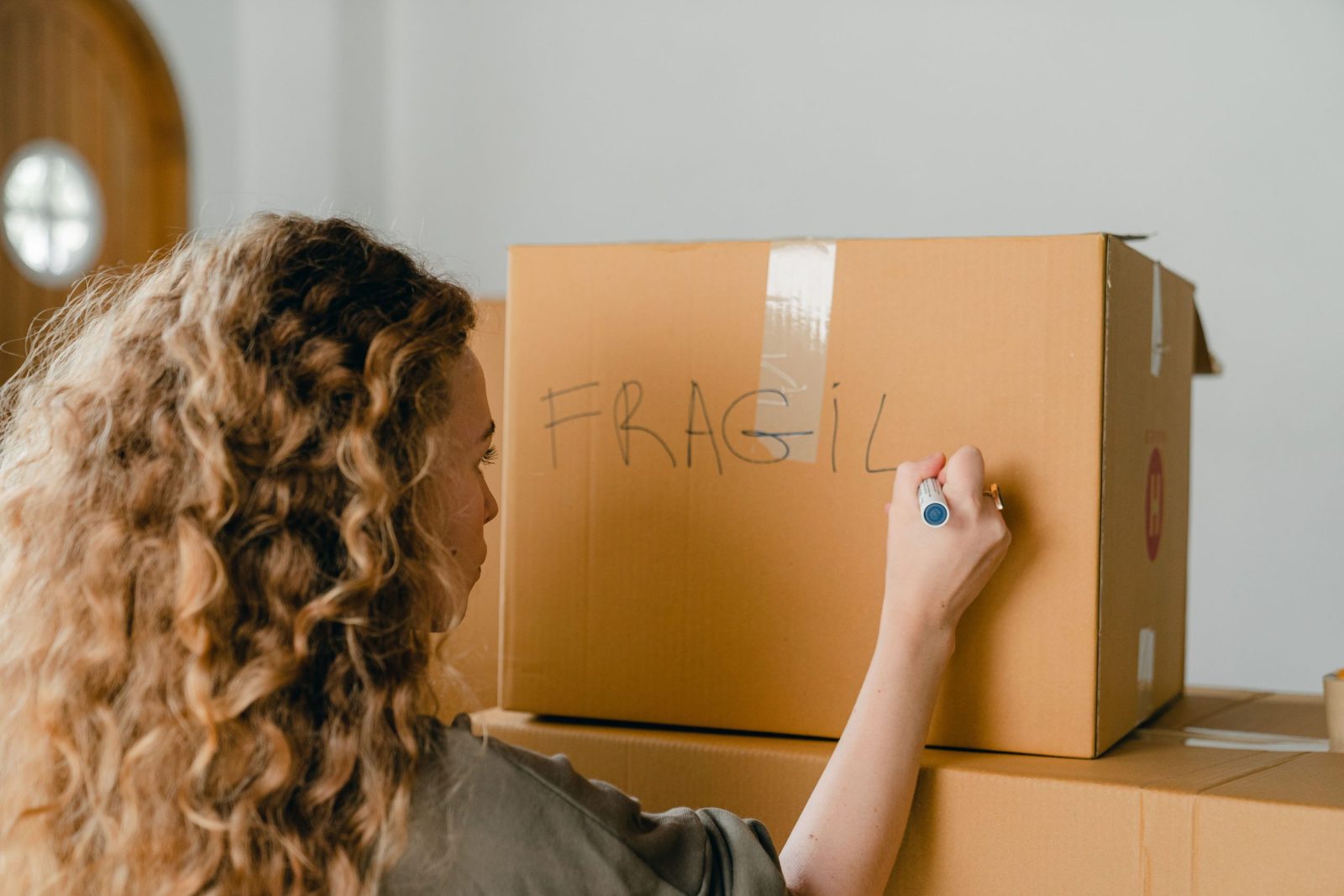
Moving is hard, not only is it stressful for parents but it can be extra hard on kids. Between packing up your home, saying goodbye to friends, and adjusting to a new place it can feel like your whole world is turned upside down. And for our kids, the emotional weight of leaving behind everything familiar can be tough.
Here are some realistic strategies that can help smooth things out and make the move a little easier on the whole family.
1. Make the New Place Feel Like Home
Kids thrive on routine and familiarity. When we moved to a new base last year, my youngest struggled with missing our old house. So we recreated little pieces of our old home in the new one, to help give them some sense of continuity.
- Unpack their rooms first. Let them arrange their furniture, posters and toys exactly how they like. Even if the space is smaller, giving them control over their room helps them feel secure.
- Hang up familiar items. Photos, artwork or even a favorite blanket can make a new room feel cozy.
- Keep a few “comfort items” in the car. A special stuffed animal, a favorite book or even a snack they love can ease the transition on moving day.
2. Find Their People
Military kids move often, but they also make friends quickly if given the chance. The sooner they connect with other kids, the sooner they’ll feel like they belong.
- Check out on-base activities. From youth sports to scouting groups, these are goldmines for instant friendships.
- Visit the school before the first day. Walk the halls, meet the teacher and point out fun spots like the playground. It takes away some of the first-day jitters.
- Encourage one-on-one playdates. Even if it’s just a quick meetup at the park, it helps them build connections outside the classroom.

3. Keep Traditions Alive
Routines and traditions give kids a sense of stability. When we moved overseas, we kept a few small rituals going:
- Family game nights. Even if we were in a tiny apartment, pulling out a board game made it feel like home.
- Weekly movie nights. We’d pick a theme (like “80s classics” or “superheroes”) and make popcorn.
- Birthday surprises. A small cake or a special breakfast can make a big difference on a big day.
Little things like this remind kids that even though everything else is changing, some parts of life stay the same.
4. Talk About the Move
Kids might not always say it, but they feel the stress of moving too. Instead of brushing it off with, “It’ll be fine!” try:
- “This move is hard, huh?” Sometimes just acknowledging their feelings helps.
- “What’s one thing you’re excited about?” Shifting focus to the positive can balance out the tough parts.
- “We can decorate your new room together!” Giving them a say in the process makes them feel more in control.
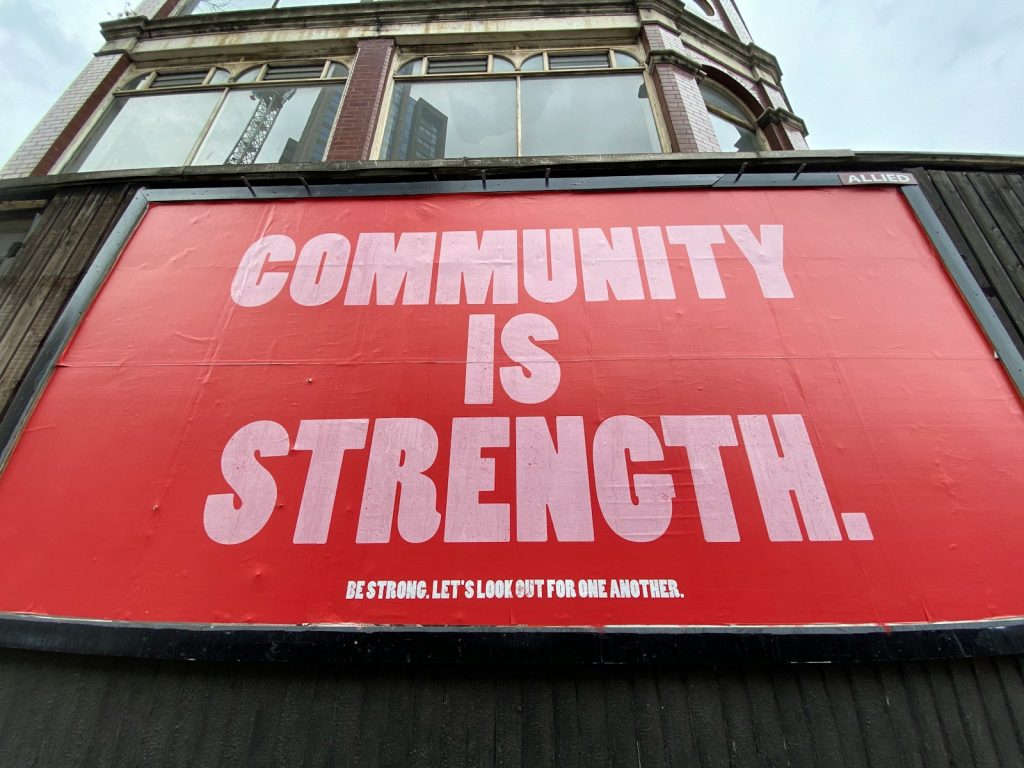
5. Lean on the Military Community
One of the best parts of military life is the built-in support system. Other moms,local group leaders and even the kids themselves can make the transition smoother.
- Join a moms’ group. Whether it’s a Facebook group or an in-person meetup, having other parents to vent to (and laugh with) is a game-changer.
- Ask for recommendations. Need a pediatrician? A great school? Someone always knows.
- Let your kids see you making friends too. When they see you happy in the new place, it reassures them that things will be okay.
Cut yourself some slack too
Some moves are easier than others. Some kids adjust in weeks; others take months. And that’s okay. What matters is that they know they’re loved, supported and not alone in the process.