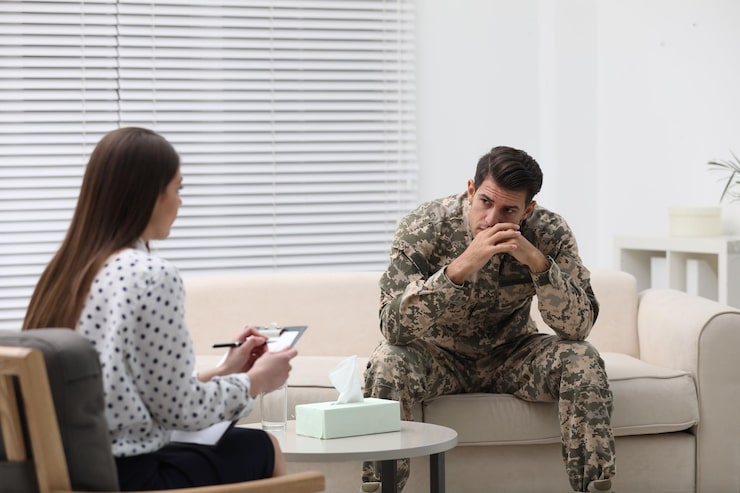
Military life asks a lot from spouses. It asks for flexibility, patience, strength, and the ability to keep going even when the ground keeps shifting under your feet. On the outside, many spouses look like they are handling it all. On the inside, some are running on stress, exhaustion, and emotional overload.
That is why military spouse mental health deserves real attention. Taking care of your mental and emotional well-being is not selfish. It is part of staying functional, grounded, and healthy in a lifestyle that can be deeply demanding.
You do not need to wait until you are falling apart to care for your mind.
Recognize That Stress Can Build Quietly
Mental health struggles do not always arrive in obvious ways. Sometimes they show up as irritability, brain fog, constant tension, sadness, trouble sleeping, or a sense that everything feels heavier than it should.
Military spouses often get used to pushing through. They keep the house moving, take care of others, and tell themselves they will rest later. The problem is that stress tends to pile up when it is ignored.
Good stress management begins with noticing your own signals earlier. Pay attention to what your body and mind are doing. If you are feeling emotionally drained all the time, that matters. If you are snapping more easily or feeling numb, that matters too.
Awareness is not weakness. It is the first step toward caring for yourself better.
Stop Treating Burnout Like a Personality Trait
Many spouses become so used to surviving on low energy that burnout starts to feel normal. They joke about being tired, overwhelmed, or emotionally fried because it feels easier than admitting how worn down they really are.
But burnout is not a personality trait. It is a signal.
If you are constantly depleted, you probably do not need more discipline. You likely need more support, more margin, and a healthier rhythm. Pushing harder is not always the answer.
Protecting spouse wellness means learning to take exhaustion seriously before it turns into something deeper.
Build Small Mental Health Habits Into Daily Life
Mental health support does not always have to begin with a major life overhaul. Often, the most effective changes are small habits repeated consistently.
That might mean stepping outside for ten quiet minutes. It might mean putting your phone down earlier at night. It might mean journaling, prayer, movement, deep breathing, or a short check-in with someone you trust.
Small habits help regulate stress before it builds too high. They also remind your nervous system that rest and safety still exist, even in busy seasons.
Strong emotional resilience is not built by ignoring your needs. It is built by responding to them regularly.
Let Yourself Need Support
One of the hardest things for many military spouses is admitting they need help. There can be pressure to look capable, calm, and adaptable all the time. But carrying everything alone is not strength. It is isolation.
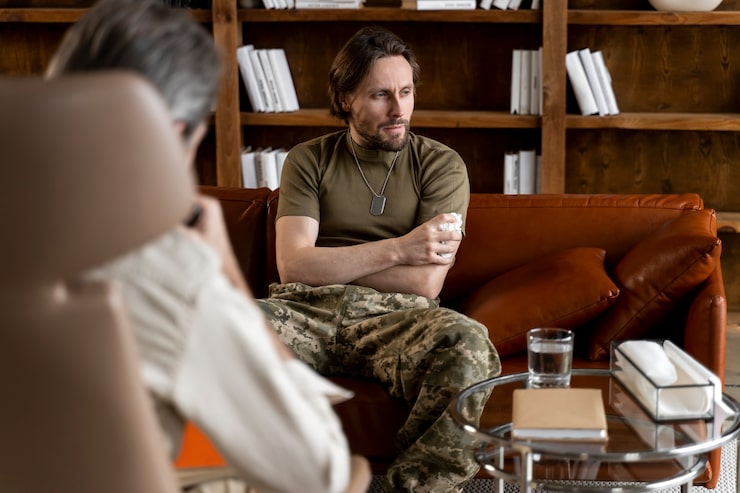
Talk to someone safe. Reach out to a friend who understands military life. Use counseling if you need it. Ask for practical help when your load feels too heavy. Let people know when you are struggling instead of waiting until you are completely depleted.
Real military anxiety help often starts with saying, “This is harder than I expected.”
There is no shame in that. In fact, it is often one of the bravest things you can say.
Protect Your Mind From Constant Overload
Military life can create mental overload fast. There are schedules to manage, people to care for, moves to prepare for, news to process, and long stretches of uncertainty. Add social media, constant notifications, and daily responsibilities, and it becomes easy to feel mentally crowded all the time.
Creating mental space matters.
You may need quieter mornings. You may need to limit doom-scrolling. You may need boundaries around how much you absorb from everyone else before checking in with yourself. Peace usually does not appear by accident. It often has to be protected on purpose.
This is a major part of maintaining healthy military spouse mental health over time.
Give Yourself Permission to Feel Mixed Emotions
Military life often brings complicated feelings. You can be proud and lonely. Strong and anxious. Grateful and exhausted. Hopeful and sad. All of those emotions can exist at the same time.
You do not need to force yourself into one clean emotional response just because others expect resilience from you.
Allowing mixed emotions is part of emotional maturity. It keeps you from judging yourself for being human. It also makes it easier to process what you are feeling instead of stuffing it down.
Mental health grows stronger when honesty replaces performance.
Always Moving Forward
Caring for military spouse mental health is not about becoming perfectly calm or emotionally unaffected by military life. It is about creating habits, support, and self-awareness that help you stay steady through the hard parts.
You deserve care too. You deserve rest, support, and room to be honest about what this life sometimes feels like.
With healthy stress management, stronger emotional resilience, and the courage to ask for military anxiety help when needed, you can care for your mind in a way that strengthens every other part of your life.
That care is not extra. It is essential.
Also read: How to Build a Strong Support System as a Military Spouse